Nurses and Hospital Shift Workers: Foot Care Through Long Shifts
Foot pain for nurses on long ward shifts: habits during duty, shoe and sock tips for night and rotating shifts, and a simple post-shift foot routine.
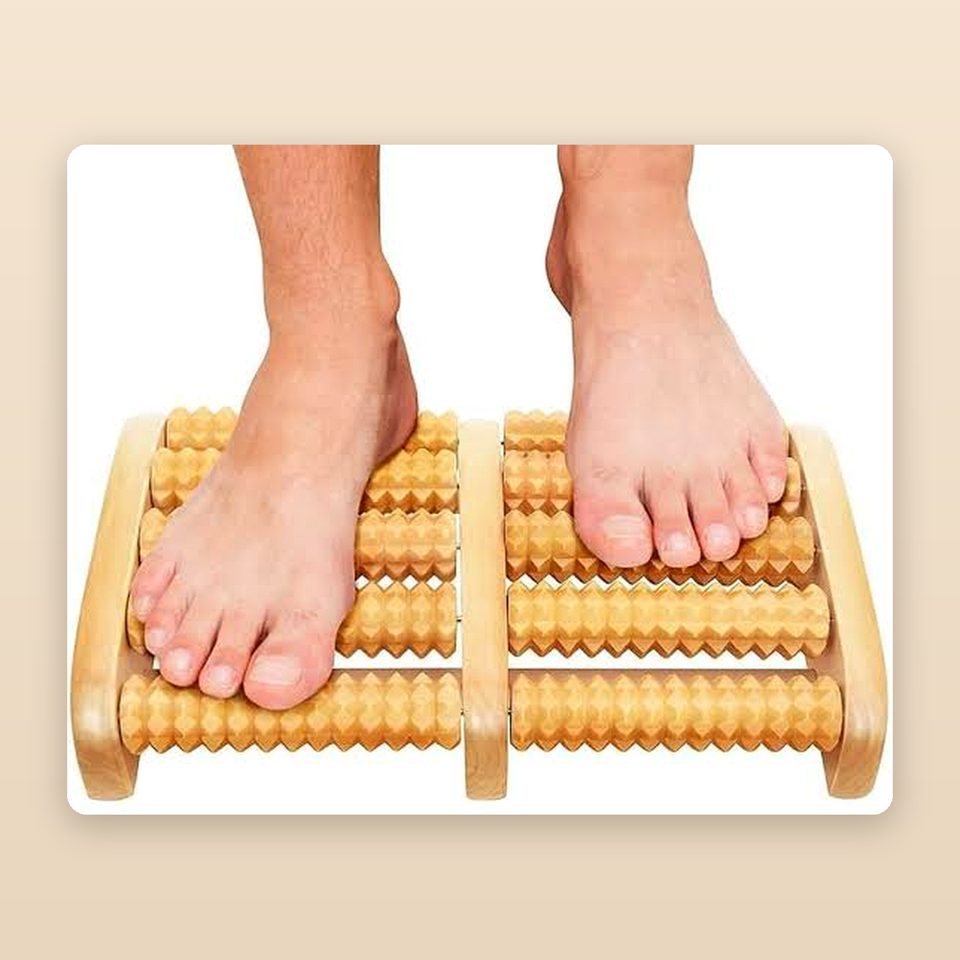
Foot pain for nurses usually builds from hours of walking and standing on hard hospital floors, often across night duty or rotating shifts. Comfort comes from small things: well-fitted cushioned shoes, fresh socks, sitting whenever charting allows, and a few minutes of gentle seated foot rolling after duty. See a doctor if pain is severe or keeps coming back.
Why do nurses' feet hurt so much by the end of a shift?
A ward shift in a Pakistani hospital rarely includes much sitting. Nurses walk the length of the ward for medicine rounds, stand at bedsides to check drips and vitals, push trolleys, help lift patients, and answer calls from the nursing station to the far end of the corridor. Paramedics, ward attendants, lab staff and doctors on duty do much of the same.
Several things add up:
- Hard floors. Hospital corridors and wards are usually tiled, terrazzo or vinyl over concrete, built to be cleaned, not to be soft.
- Long hours. Many shifts run 8 hours, and doubles or 12-hour duties are common when wards are short-staffed.
- Little time to sit. Busy wards, emergency departments and OTs leave few chances to take the weight off.
- Rotating duty. Switching between morning, evening and night shifts disturbs rest, and tired bodies often notice aches more.
- The journey home. After duty, many staff still stand in a van, on a bus or at a stop before they reach home.
By the time a nurse reaches home, the heels, arches and balls of the feet can feel heavy and sore. That tiredness is common, but it is still worth looking after.
Which shoes and socks help on a long ward shift?
Footwear is the biggest daily choice you control. Hospital rules on uniform shoes differ, so follow your own hospital's policy, but within it these points help many people:
- Choose closed shoes with a cushioned, slightly thick sole and some arch support. Flat, thin-soled pumps or chappals give the feet little protection on hard floors.
- Make sure they fit at the end of the day, not just in the morning. Feet often feel a little fuller after hours of standing.
- Keep a second pair at work if you can, and swap halfway through a double shift.
- Wear clean cotton or cotton-blend socks, and carry a spare pair for long duties, especially in the humid months.
- Replace shoes once the sole feels flat or worn on one side.
Some nurses ask about compression socks. That is a question for your own doctor or your hospital's occupational health team, who know your health and duty pattern; don't guess on your own.
What can you do for your feet during duty?
Even on a busy ward, there are small moments to give your feet a break:
- Sit to chart. When writing notes or filling in handover sheets, sit at the station rather than leaning over the counter.
- Shift your weight. At a bedside, move your weight from one foot to the other instead of locking your knees.
- Use your break properly. Sit with your feet flat, and if your hospital allows it, slip your shoes off for a minute and flex your toes and turn your ankles slowly.
- Drink water. A water bottle at the station is easy to forget on a busy round, but staying hydrated helps you feel less drained overall.
- Plan your rounds. Grouping tasks for the same side of the ward can save a few extra walks up and down the corridor.
None of these replaces proper staffing or rest, but together they can make the last hours of a shift feel a little easier.
How do night shifts and rotating duty affect tired feet?
Night duty is its own challenge. You are on your feet when your body expects to be asleep, and the hours before dawn often feel the slowest. After a night shift, many people go straight to bed with sore feet and wake up stiff.
A few habits help with rotating duty:
- Keep a short routine after every shift, morning or night, so your feet get the same care whatever the timetable.
- Before sleeping after night duty, wash your feet with lukewarm water, dry them well, especially between the toes, and put your legs up for a few minutes.
- On days off, try to keep some gentle walking in your day instead of staying completely still, which many people find leaves the feet stiffer.
What does a simple post-shift foot routine look like?
This five-minute routine is for the time between getting home and lying down. It is a relaxation habit, not a treatment.
- Change out of your uniform, wash your feet and dry them fully.
- Sit on a chair with your feet flat on the floor and take a few slow breaths.
- Place both bare feet on a wooden foot roller and roll slowly from heel to toe for two to three minutes, using only the weight of your legs.
- Lift one foot and roll the other a little more slowly along the arch for about a minute, then switch.
- Move the roller aside, gently point and flex your feet ten times, then rest with your legs raised on a cushion for a few minutes.
Keep the pressure comfortable. Many people find this soothing after a long round, and it is quick enough to do even after a double shift. For a general guide to standing jobs, see our post on a foot massager for standing all day, and if you also cook after duty, our guide to foot pain from standing in the kitchen has more ideas.
When should a nurse see a doctor about foot pain?
Nurses know better than most that some pain shouldn't be brushed off, yet it is easy to ignore your own. Plantar fasciitis is pain along the bottom of the foot and heel, often worst with the first steps in the morning or after resting; the NHS (nhs.uk) advises seeing a GP if heel pain hasn't improved after two weeks of home care.
This massager is a relaxation product, not a medical treatment. If foot pain is severe, lasts more than two weeks, keeps coming back, or comes with swelling, numbness or an injury, see a doctor.
Don't use any foot massager on swollen, injured or recently operated feet, or on cuts, blisters or broken skin. If you have diabetes, speak to your doctor before using any foot massager.
How do you order the Sillanwali Wooden Foot Massager?
The Sillanwali Wooden Foot Massager is a handmade piece of natural wood from Sillanwali, Sargodha, Punjab. It has dual-sided rollers for both feet, is used seated and works by hand, with no electricity or batteries, so it sits quietly by your bed or chair.
The massager costs Rs 1,499 and comes with free delivery anywhere in Pakistan. You pay cash on delivery (COD), with no advance payment, and it usually arrives in 3 to 4 days. Ordering for colleagues in the nurses' hostel? 2 cost Rs 2,700, 3 cost Rs 3,900, and 4 or more are Rs 1,250 each. Bundle savings apply automatically at checkout.
Ready to look after your feet after duty?
Order the Wooden Foot Massager for Rs 1,499 with free delivery anywhere in Pakistan and cash on delivery, delivered in 3 to 4 days. Order the Wooden Foot Massager or browse the Health & Wellness collection. You can also read foot relief for shopkeepers, a foot massager for standing all day and foot pain from standing in the kitchen.
Order the Wooden Foot Massager
Frequently asked questions
- How long should a nurse use a foot roller after a shift?
- Three to five minutes of gentle, seated rolling is enough for most people. Keep the pressure comfortable and stop if anything feels sharp or tingly.
- Can I keep a wooden foot roller at the hospital?
- If your ward has a staff room and your hospital allows it, a small manual roller can sit under a chair for breaks. It needs no power, but keep it clean and dry.
- Is the wooden foot massager a treatment for heel pain?
- No. It is a manual relaxation product for home use. If heel pain lasts more than two weeks or keeps coming back, see a doctor.
- How much does the wooden foot massager cost?
- It costs Rs 1,499 with free delivery anywhere in Pakistan and cash on delivery. Delivery usually takes 3 to 4 days.