Cold Feet in Winter: A Warm-Up Foot Routine Before Bed
Cold feet in winter keeping you awake? Try a simple warm-up routine before bed: socks, foot movement, gentle rolling, and when to see a doctor.
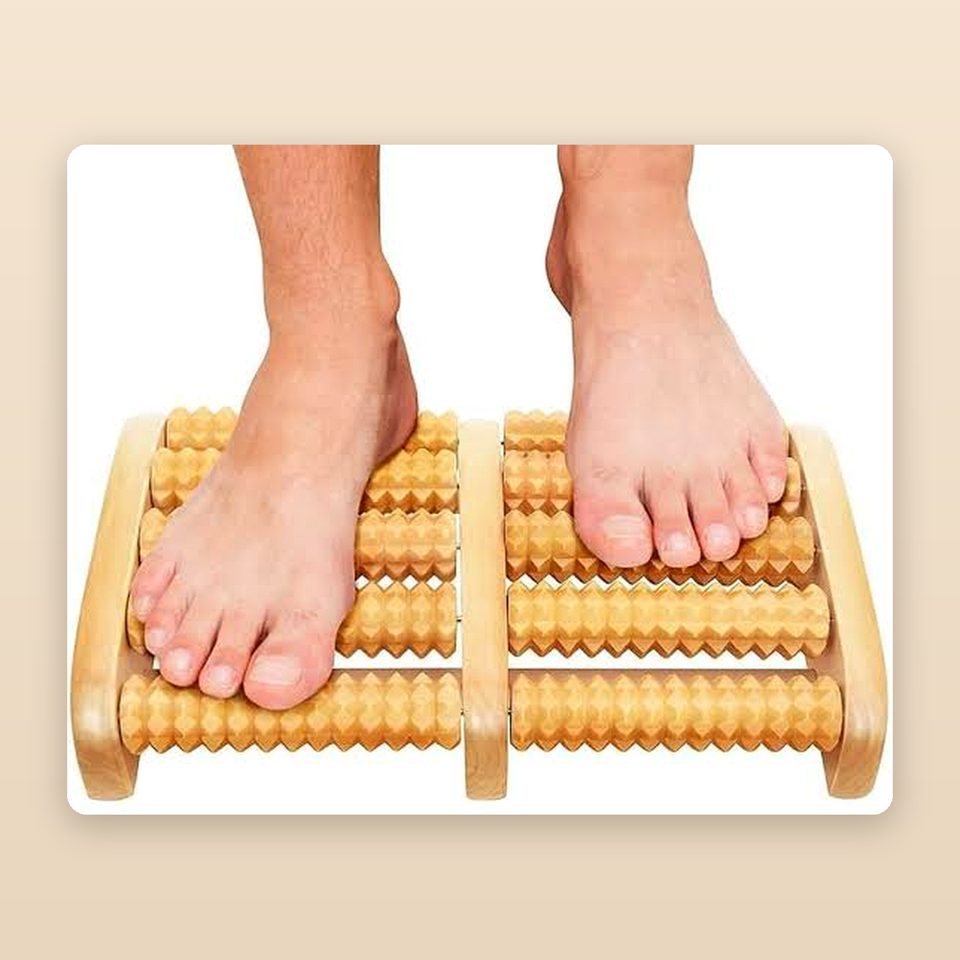
Cold feet in winter are common in Pakistani homes, where many rooms are unheated and floors are tile or marble. A simple routine before bed often helps: warm socks, a few minutes of moving your feet and ankles, and gentle seated rolling on a wooden foot roller. Feet that stay cold, turn white or blue, or go numb need a doctor.
Why do feet feel so cold in a Pakistani winter?
From December to February, nights in Lahore, Islamabad, Peshawar and much of Punjab get properly cold, and most houses are built to stay cool in summer rather than warm in winter. That means a few familiar things:
- Floors of marble, terrazzo or tiles that feel icy under bare feet in the morning and at night.
- Rooms heated by a single gas heater, or not heated at all once the gas pressure drops in the evening.
- Long hours sitting still, at a desk, on a sofa with a quilt over the knees, or watching TV, without moving the feet much.
- Thin chappals worn indoors all year round, with no socks.
Feet are far from the body's core and have little fat to hold heat, so they are often the first part of you to feel cold. Sitting still for a long time makes this more noticeable. None of this is unusual, and for most people it is simply uncomfortable, especially when you are trying to fall asleep.
The common Roman Urdu searches, pair thande rehna (feet staying cold) and sardi mein pairon ka dard (foot ache in winter), usually describe exactly this: cold, stiff, achy feet at the end of a winter day.
What is a warm-up foot routine?
A warm-up foot routine is a short set of simple steps, done seated before bed, that helps your feet feel warmer and more relaxed. It uses gentle movement, layers and a few minutes of rolling, not heat sources pressed against the skin. The whole thing takes about 10 minutes.
How do you warm your feet before sleep, step by step?
Try this order for a week and adjust it to what feels comfortable.
- Get off the cold floor first. Sit on the bed, a charpai or a chair, and keep your feet on a rug, a mat or a folded blanket rather than bare marble.
- Move your feet and ankles for 2 minutes. Point and flex your toes, draw slow circles with each ankle, and curl and spread your toes. Movement is a simple way to feel less stiff after a long, still evening.
- Roll your feet gently for 3 to 5 minutes. Place both feet on a wooden foot roller and roll slowly from the ball of the foot to the heel and back. Keep the pressure light and stay seated.
- Put on clean, dry socks. Wool or thick cotton socks that are not tight at the ankle are best. Damp socks from the day make feet feel colder, so change them.
- Keep the bedding warm. Tuck the end of the razai or blanket around your feet, and keep your feet off any cold wall.
Many people find the rolling step the most relaxing part, because it gives tired feet some attention after a day of standing in the kitchen, at a shop counter or in a classroom. For timing, pressure and how often to roll, see our guide on how to use a wooden foot massager.
how to use a wooden foot massager
Is a hot water bottle or very hot water safe for cold feet?
Gentle warmth is fine for most healthy adults, but direct heat on the feet needs care. A few sensible rules:
- Don't rest bare feet on a heater, an angithi or a hot water bottle. Wrap any bottle in a towel and keep it near, not on, your feet.
- Don't soak cold feet in very hot water. Use warm water you have tested with your hand or elbow first.
- Don't sleep with a heater pointed at your feet or running in a closed room.
If you have diabetes or any numbness in your feet, avoid hot water bottles, heaters and hot water on your feet altogether, because you may not feel a burn until the skin is damaged. Check your feet every day in winter.
Does a foot roller actually warm your feet?
Honestly, a wooden roller is not a heater, and no one should promise it will raise the temperature of your feet. What it does offer is a few minutes of gentle movement and a pleasant, soothing feel, which many people enjoy before bed. Combined with socks, a rug underfoot and warm bedding, it can make a cold evening more comfortable.
It also works without electricity, which matters in a winter of load shedding and low gas pressure. There is no plug, no battery and nothing to heat up, so you can use it on the sofa or at the edge of the bed whenever you like.
When should cold feet be checked by a doctor?
Usually cold feet are just cold feet. But some signs are worth a proper check.
This massager is a relaxation product, not a medical treatment. If foot pain is severe, lasts more than two weeks, keeps coming back, or comes with swelling, numbness or an injury, see a doctor.
Also see a doctor if:
- Your toes turn white or blue, then red, when they get cold. The NHS page on Raynaud's phenomenon describes this colour change, along with numbness and pins and needles, in fingers and toes.
- Your feet feel cold all the time, even in a warm room, or one foot is much colder than the other.
- You have sores or cuts on your feet that are slow to heal.
- You have diabetes, because foot problems can become serious quickly.
Don't roll a foot that is swollen, injured, has broken skin or has recently been operated on. If you are looking after an older parent with cold feet, our guide to a foot massager for elderly parents has extra safety points.
foot massager for elderly parents
Which foot roller suits a winter evening routine?
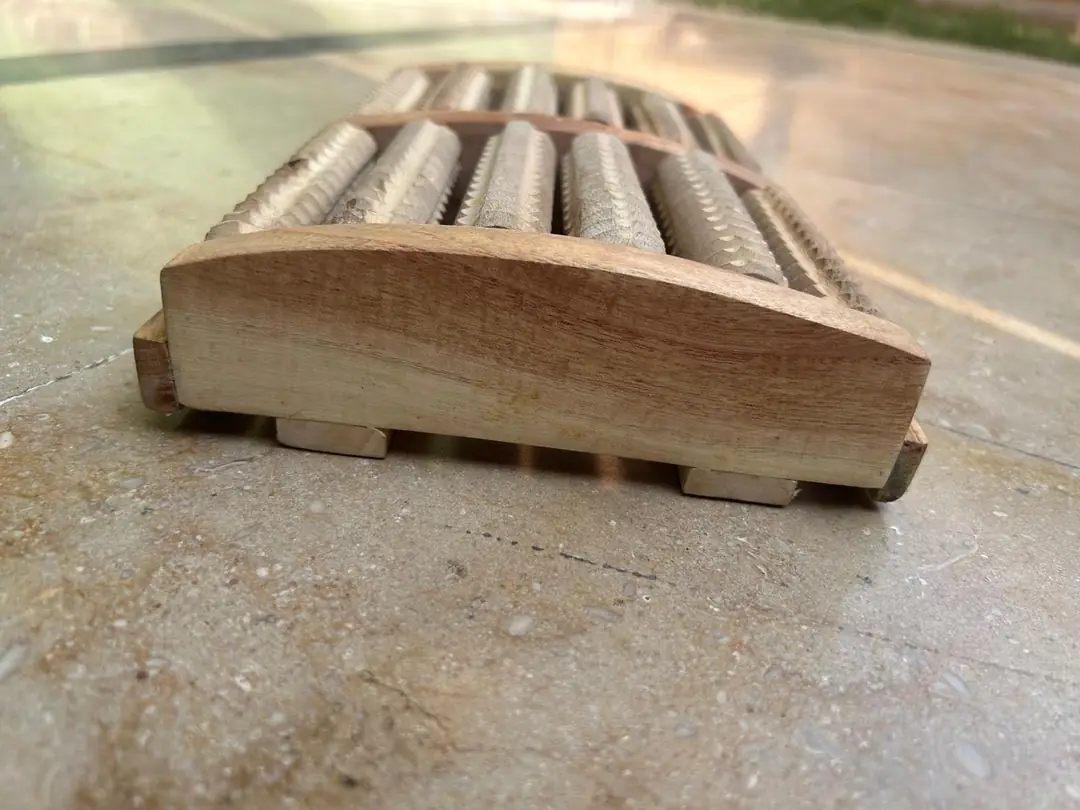
The Sillanwali Wooden Foot Massager is a handmade piece of natural wood from Sillanwali, Sargodha, Punjab. It has dual-sided rollers for both feet and is used seated, so it fits easily beside the bed or under a chair in the TV lounge.
- Price: Rs 1,499 for one.
- The massager comes with free delivery anywhere in Pakistan.
- Cash on delivery: pay the courier when the parcel arrives, with no advance payment.
- Delivery takes 3 to 4 days.
Buying for the whole family before the cold sets in? 2 cost Rs 2,700, 3 cost Rs 3,900, or 4 or more are Rs 1,250 each; bundle savings apply automatically at checkout. To keep the wood in good shape through a damp winter, read how to care for a wooden foot roller. If your feet also ache in general, our Roman Urdu guide to pairon ka dard covers simple home habits.
how to care for a wooden foot roller
Ready for warmer winter evenings?
Order the Wooden Foot Massager for Rs 1,499 with free delivery anywhere in Pakistan and cash on delivery, delivered in 3 to 4 days. Order the Wooden Foot Massager or browse the Health & Wellness collection.
Frequently asked questions
- Should I sleep in socks if my feet get cold at night?
- Many people sleep better in clean, loose wool or cotton socks in winter. Avoid tight elastic at the ankle, and change damp socks before bed.
- How many minutes should I roll my feet before sleeping?
- About 3 to 5 minutes of light, seated rolling is enough for a bedtime routine. Stop if you feel pain, tingling or numbness.
- Can I use the wooden foot massager on a cold marble floor?
- Yes, but it is more comfortable to place it on a rug or mat and sit on a chair or bed. That also keeps your feet off the cold floor between rolls.
- Is a wooden foot massager safe for someone with diabetes?
- Speak to your doctor before using any foot massager if you have diabetes. Don't use it on numb feet, cuts, blisters or sores, and check your feet daily.