Diabetes and Foot Massagers: Read This Before You Buy
Foot massager for diabetics: why to ask your doctor first, when never to use one, and the daily foot checks diabetes guidelines advise for Pakistani homes.
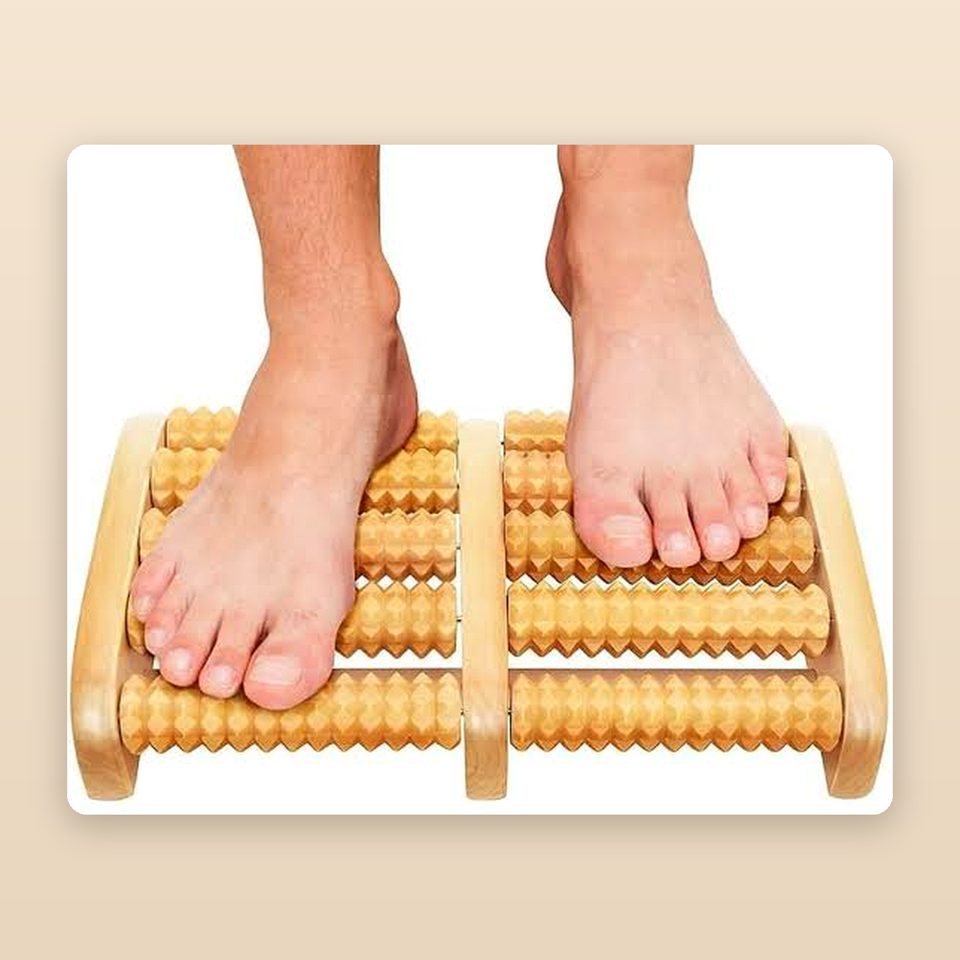
If you are looking for a foot massager for diabetics, the honest first step is a conversation with your doctor, not a purchase. Diabetes can reduce feeling in the feet, so pressure or rubbing may cause damage you don't notice. Never use any massager on numb feet, cuts, blisters or sores, and check your feet every day.
Why does diabetes change the advice on foot massagers?
Diabetic neuropathy is nerve damage caused by diabetes, and it often starts in the feet. It can make the feet tingle, burn or feel numb, and over time it can take away the warning signal that normally tells you something is hurting.
That is why a product that is simple and relaxing for most people needs more care here. A healthy foot pulls away when pressure is too strong. A foot with reduced feeling may keep rolling over a ridge for too long, and a small red mark or blister can go unnoticed for days. In people with diabetes, small skin breaks can turn into wounds that are slow to heal.
This matters in Pakistan in particular. According to the IDF Diabetes Atlas, 11th edition, Pakistan had the highest age-standardised adult diabetes prevalence in the world in 2024, at 31.4%. In many families, sugar ke mareez (people with sugar, as diabetes is often called at home) include an abbu, an ammi, a nana or a phupho. If you are buying for one of them, read this first.
Can diabetics use a foot massager at all?
Some can, some should not, and only a doctor who knows the person's feet can say which. In general terms:
- Ask a doctor first if you have diabetes of any type, even if your sugar is well controlled.
- Do not use one on numb feet, or on any foot with a cut, crack, blister, sore, ulcer, swelling or recent injury or surgery.
- Do not use one if your doctor has told you that you have neuropathy, a foot ulcer history or poor healing, unless they have said a gentle roller is fine for you.
- Stop at once if you feel pain, burning, tingling or new numbness while rolling.
Our foot massager for elderly parents guide covers the wider checklist of balance, skin and sensation for older family members, and many of the same points apply here.
foot massager for elderly parents
What daily foot care do diabetes guidelines recommend?
The IWGDF (International Working Group on the Diabetic Foot) 2023 practical guidelines put daily habits ahead of any product. Their self-care advice for people with diabetes at risk of foot problems includes:
- Check both feet every day, including the soles and between the toes. Use a mirror, or ask a family member to look if you can't bend easily.
- Don't walk barefoot, indoors or outdoors. Wear socks and properly fitting shoes, including at home.
- Wash your feet daily and dry them carefully, especially between the toes.
- Use a moisturiser on dry skin, but not between the toes.
- Cut toenails straight across, and don't cut corns or calluses yourself or use chemical corn removers.
- Report any problem early, such as a blister, a colour change, a cut or warmth in one area.
US Indian Health Service foot care guidance for people with diabetes also advises against soaking the feet, so the warm water bucket many of us grew up with is not a safe default either.
In Pakistani homes, the barefoot habit is the one that slips most easily: cool marble floors, namaz on a prayer mat, and walking to the kitchen without chappals. For a person with diabetes, soft slippers or socks indoors are a simple change worth making.
If your doctor says yes, how should you use a foot massager?
If your doctor or diabetes educator is happy for you to use a manual roller, keep it gentle and short:
- Sit down. Use it on a chair or sofa with both feet on the rollers, never standing.
- Wear thin socks if your doctor suggests it, to reduce friction on the skin.
- Use light pressure. Let the weight of your legs do the work rather than pressing down.
- Keep it to a few minutes, for example 3 to 5 minutes, then stop.
- Check your feet afterwards. Look for redness that doesn't fade, marks, or any broken skin. If you see any, stop using it and tell your doctor.
Our how to use a wooden foot massager guide explains seated posture and pressure in more detail. For someone with diabetes, use the gentlest version of that routine.
how to use a wooden foot massager
When should a person with diabetes see a doctor about their feet?
If you have diabetes, speak to your doctor before using any foot massager. Diabetes can reduce feeling in the feet, so you may not notice pressure damage. Don't use it on numb feet, cuts, blisters or sores, and check your feet daily.
Get medical advice promptly if you notice any of these:
- A cut, blister or sore that is not clearly healing within a few days
- Redness, warmth or swelling in one part of the foot
- New numbness, tingling, burning or pins and needles
- A change in the colour or shape of the foot or toes
- Any discharge or a bad smell from a wound
This massager is a relaxation product, not a medical treatment. If foot pain is severe, lasts more than two weeks, keeps coming back, or comes with swelling, numbness or an injury, see a doctor.
What is the Sillanwali Wooden Foot Massager, and is it right for you?
The Sillanwali Wooden Foot Massager is a handmade piece of natural wood from Sillanwali, Sargodha, Punjab. It has dual-sided rollers for both feet and is used while seated. It is manual, with no electricity, batteries, heat or vibration. The product page states that it is a manual relaxation product for home use, not a medical device.
For someone with diabetes, it is only a possible end-of-day relaxation habit once a doctor is happy with it, not a solution for diabetic foot problems. It costs Rs 1,499, and the massager comes with free delivery anywhere in Pakistan. You pay cash on delivery (COD), which means you pay the rider in cash at your door, with no advance payment. Delivery usually takes 3 to 4 days.
Thinking of it for a family member?
Talk to their doctor first. If the doctor is comfortable with a gentle seated roller, you can order the Wooden Foot Massager for Rs 1,499 with free delivery anywhere in Pakistan and cash on delivery. See the Wooden Foot Massager or browse the Health & Wellness collection.
Frequently asked questions
- Is a wooden foot massager safe for someone with diabetic neuropathy?
- It may not be. Neuropathy can stop you feeling pressure damage, so only use any massager if your doctor has examined your feet and said it is fine.
- Should a person with diabetes soak their feet in warm water before rolling?
- No. Diabetes foot care guidance advises against soaking the feet, and hot water can burn skin with reduced feeling. Wash and dry the feet normally instead.
- How often should someone with diabetes check their feet?
- Every day. Look at the tops, soles, heels and between the toes, using a mirror or a family member's help if needed.
- Is the Sillanwali foot massager a medical device?
- No. It is a manual relaxation product for home use and makes no medical claims. If you have diabetes, ask your doctor before using it.